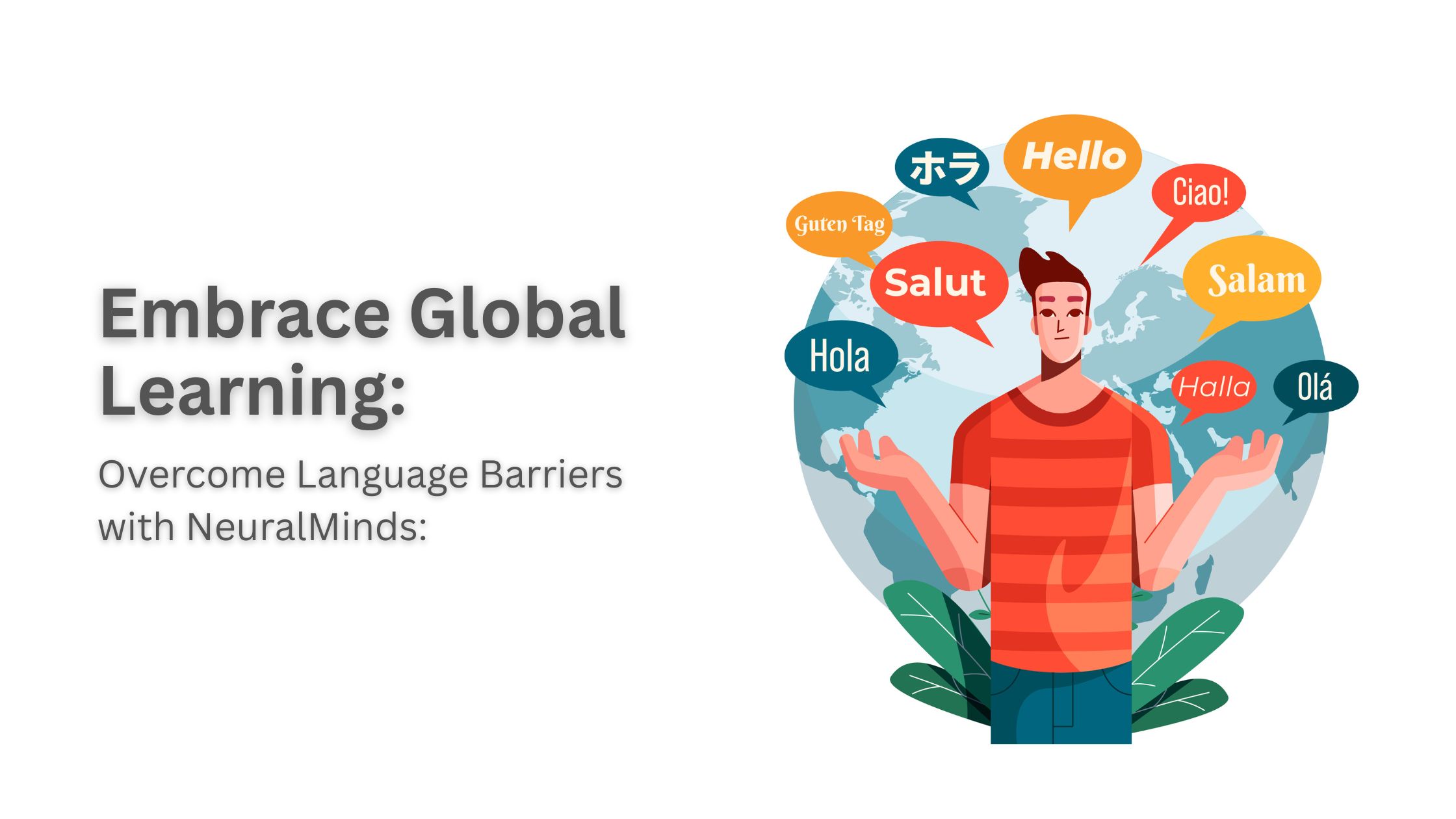
Corporate training is changing. Employees no longer want to spend hours completing generic courses that barely relate to their daily responsibilities. Meanwhile, businesses need faster onboarding, stronger workforce skills, and measurable returns from learning investments.
This is where artificial intelligence is making a difference.
In 2027, AI corporate training is expected to move further beyond basic automation, helping organizations develop personalized learning experiences, simplify content development, and identify employee skill gaps.
The shift is already underway. According to LinkedIn’s 2025 Workplace Learning Report, 71% of learning and development professionals were exploring, experimenting with, or integrating AI into their work.
For US businesses, this creates an opportunity to rethink how employees learn, practice new skills, and apply knowledge at work.
Let’s explore how AI is transforming workplace training, where it delivers the greatest value, and how businesses can implement it effectively.
What Is AI Corporate Training, and Why Does It Matter in 2027?
AI corporate training refers to using artificial intelligence to create, deliver, personalize, and evaluate employee learning programs.
Unlike conventional training systems that provide identical courses to everyone, AI-enabled platforms can recommend content based on job responsibilities, existing knowledge, assessment results, and individual development needs.
For example, a new sales representative may receive foundational product knowledge lessons, while an experienced employee receives advanced negotiation simulations. This approach makes corporate learning more relevant without requiring training teams to manually customize every course.
The growing interest also reflects changing business priorities. SHRM’s 2026 L&D benchmarking research found that 32% of organizations offered AI upskilling beyond basic compliance requirements.
As workforce expectations continue evolving, organizations are increasingly looking for learning systems that can adapt quickly, support employees across different locations, and connect training with measurable results.
6 Ways AI Corporate Training Is Transforming Workplace Learning
Artificial intelligence is influencing nearly every stage of employee development, from building learning materials to assessing workplace readiness.
Here are six important changes shaping workplace training in 2027.
1. Personalized Learning Paths Based on Employee Skills
Traditional training often follows a fixed sequence. Everyone completes the same modules regardless of experience or existing knowledge.
AI-powered training changes this by adapting learning recommendations to individual needs. An AI-enabled system can analyze assessment results, identify knowledge gaps, and suggest relevant lessons.
For example, an employee who demonstrates strong technical knowledge but struggles with communication may receive targeted exercises rather than repeating an entire training program.
This makes corporate learning more efficient and gives employees greater control over their professional development.
2. Faster Content Development With AI Course Creation Tools
Developing a training course traditionally involves researching material, writing lessons, preparing presentations, creating assessments, and reviewing content. AI course creation tools can simplify several of these activities.
Training teams can use existing documents, presentations, policy manuals, and standard operating procedures to generate structured lessons and knowledge checks.
Modern course creation workflows may also include AI-generated summaries, interactive quizzes, translation support, and suggested learning objectives.
For instance, an HR team updating its employee handbook can use AI to prepare a draft training module rather than manually rebuilding the entire course.
However, subject-matter experts should still review AI-generated material before employees receive it. The advantage is not simply producing more content. It is making high-quality training easier to maintain as business requirements change.
3. More Effective Product Training for Customer-Facing Teams
Sales representatives and customer support employees must understand products accurately, particularly when features and policies change frequently.
AI-powered training can make product training more practical through personalized lessons and realistic customer scenarios.
For example, an employee might practice explaining a software feature to a simulated customer who raises pricing concerns. The system can provide feedback on the response and recommend additional learning materials.
AI course creation tools can also help training teams update lessons when new products are introduced. This approach supports faster knowledge development while giving employees opportunities to practice before interacting with real customers.
4. Adaptive Compliance Training and Continuous Readiness
Many organizations still treat compliance training as an annual checklist.
Employees complete required modules, pass assessments, and may not revisit the material until the next scheduled session.
AI can support a more continuous approach. Instead of delivering identical content to every employee, learning systems can recommend role-specific modules, targeted refreshers, and additional assessments.
For example, an employee handling sensitive customer information may need different learning activities than someone working in general administration.
Effective compliance training must still include approved content, reliable records, and appropriate human oversight.
For additional guidance, explore NeuralMinds comparison of compliance training software.
5. AI Tutors and Interactive Learning Simulations
Employees often encounter questions while working, not while attending scheduled training sessions. AI assistants can provide explanations, recommend resources, and guide employees through practice exercises. Consider a manager learning how to handle difficult performance conversations.
Instead of only watching a recorded presentation, the manager could practice different approaches with a conversational AI simulation and receive structured feedback.
These experiences can make corporate learning more interactive and accessible.
AI-powered training is particularly useful when employees need repeated practice, although human coaching remains important for sensitive situations and complex judgment.
6. Learning Analytics That Go Beyond Course Completion
Completing a course does not necessarily mean an employee can apply the knowledge effectively. AI-enabled learning analytics can help organizations look beyond attendance and completion rates.
By combining assessments, learning activity, and relevant workplace indicators, businesses can better understand where employees are progressing and where additional support is needed.
For example, a support team might compare training assessment improvements with changes in service quality.
The goal of AI corporate training is not simply to increase course participation. It is to help employees develop skills that contribute to meaningful business outcomes.
Traditional Training vs AI-Powered Training: What’s Different?
Traditional training still plays an important role, particularly when employees benefit from personal instruction, mentoring, and collaborative learning.
However, AI-powered training introduces greater flexibility into how organizations create and deliver learning experiences.
| Training area | Traditional training | AI-enabled training |
| Learning experience | Standardized courses | Personalized learning paths |
| Content development | Primarily manual | AI-assisted course creation |
| Assessments | Fixed questions | Adaptive knowledge assessments |
| Employee assistance | Scheduled trainer support | On-demand learning assistance |
| Content updates | Manual revisions | Faster AI-assisted updates |
| Reporting | Completion-focused | Skills and performance insights |
| Scalability | Additional administrative effort | More automated delivery |
The most effective approach combines both models. Organizations can automate repetitive work while allowing experienced trainers to focus on mentoring, problem-solving, and practical skill development.
Where AI Corporate Training Delivers the Most Business Value
The value of AI becomes clearer when applied to specific workplace challenges.
Employee Onboarding and Faster Role Readiness
New employees often receive large amounts of information during their first few weeks. Personalized onboarding can organize this information into manageable lessons based on each employee’s role.
AI systems can recommend relevant resources, evaluate understanding, and identify areas requiring additional support.
For organizations reviewing onboarding technology, NeuralMinds guide to employee onboarding software provides useful evaluation criteria.
Sales Enablement and Product Knowledge
Sales teams need current information about product features, customer requirements, and competitive positioning.
AI-assisted product training can help employees practice conversations, identify weaknesses, and revisit relevant information.
This is especially valuable for businesses with frequently changing offerings or geographically distributed sales teams.
Regulatory and Workplace Policy Education
Healthcare, financial services, and other regulated industries require consistent employee education and reliable training documentation. AI can assist with targeted compliance training, knowledge assessments, and reminders.
However, organizations remain responsible for validating regulatory content, protecting employee information, and maintaining required records.
Workforce Upskilling and Leadership Development
AI is also changing how businesses prepare employees for emerging roles.
Instead of assigning generic courses, organizations can identify relevant skill gaps and recommend development opportunities.
The US Department of Labor’s AI Literacy Framework, published in February 2026, emphasizes practical AI understanding, responsible use, and continued skill development.
For US employers, these priorities provide a useful foundation for building workforce readiness programs.
How to Implement AI Corporate Training Successfully in 2027
Implementing AI corporate training requires more than purchasing a new learning platform. Successful adoption starts with clear business objectives and a practical implementation strategy.
Step 1: Identify Training Priorities
Begin by evaluating existing training programs. Identify recurring problems such as slow onboarding, outdated learning materials, inconsistent knowledge retention, or limited visibility into employee skills.
Select one measurable challenge before expanding into larger initiatives.
Step 2: Evaluate AI Course Creation Tools and Integrations
Compare AI course creation tools based on their ability to support existing workflows.
Important evaluation criteria include:
- Integration with learning management systems and HR software.
- Content customization and assessment capabilities.
- Data security, permissions, and governance.
- Accessibility and multilingual learning support.
- Reporting and employee progress tracking.
Course creation should remain flexible enough to accommodate different departments and changing business needs.
Step 3: Launch a Pilot Program
Start with a manageable employee group.
For example, a company might test AI-powered training with newly hired customer support representatives.
Compare the pilot group’s learning progress with a suitable baseline and collect feedback from employees and managers.
Step 4: Improve Through Continuous Measurement
Use assessment results, employee feedback, and relevant operational metrics to evaluate effectiveness.
Avoid expanding a program simply because employees completed more lessons. Instead, determine whether training improved knowledge retention, job readiness, or performance.
Measuring ROI: How Can Businesses Prove AI Training Works?
The financial value of employee development depends on whether improved learning translates into meaningful outcomes.
AI corporate training can help organizations collect more detailed learning data, but businesses still need clear evaluation methods.
Useful metrics include:
- Time to competency: How quickly employees demonstrate essential job skills.
- Content development time: Hours required to create and update learning materials.
- Knowledge retention: How well employees remember information after training.
- Employee performance: Changes in relevant quality, productivity, or service indicators.
- Training costs: Total spending relative to employees trained and skills developed.
A simple ROI calculation compares measurable financial benefits against total program costs:
Training ROI (%) = [(Training Benefits − Training Costs) ÷ Training Costs] × 100
For example, reduced administrative work may produce measurable savings, while stronger customer communication may contribute to better performance.
Organizations should separate demonstrated benefits from estimated improvements and account for licensing, implementation, and ongoing review costs.
Challenges of AI Adoption in Corporate Learning
Despite its advantages, AI is not a complete solution to every workplace learning problem. Organizations should address several important challenges before scaling adoption.
Content Accuracy and Human Oversight
AI-generated lessons can contain inaccurate, outdated, or incomplete information. Training teams should establish approval processes, particularly for safety procedures, legal requirements, and other high-stakes topics.
Employee Privacy and Data Security
Learning systems may process employee assessments, performance information, and internal company documents. Businesses should evaluate vendor security controls, access permissions, data retention policies, and contractual protections.
The NIST AI Risk Management Framework provides guidance for identifying and managing AI-related risks.
Employee Adoption and Trust
Employees may hesitate to use unfamiliar technology or worry about how their learning data will be interpreted. Clear communication, transparent assessment practices, and ongoing support can improve confidence.
Ultimately, successful corporate learning depends on balancing technological efficiency with human judgment and employee needs.
How NeuralMinds Supports Smarter Corporate Learning
As organizations adopt more personalized training approaches, choosing suitable technology becomes increasingly important.
NeuralMinds focuses on AI-enabled enterprise learning and skills development, helping organizations modernize how they create, deliver, and evaluate employee training.
Simplifying Training Content Development
NeuralMinds learning solutions are positioned to help organizations transform existing knowledge resources into structured learning experiences.
For L&D teams, this can reduce repetitive content preparation while supporting more consistent training delivery.
Supporting Personalized Employee Development
Its approach to AI-powered training emphasizes skills-based learning, adaptive assessments, and personalized development pathways.
These capabilities can help organizations offer relevant training experiences across different departments and employee groups.
Connecting Learning With Business Goals
Rather than treating training as an isolated activity, NeuralMinds focuses on connecting learning with workforce capabilities and measurable outcomes.
Organizations exploring AI course creation tools can assess how these capabilities fit their existing learning infrastructure and governance requirements.
Learn more about Learning & Development solutions.
The Future of Corporate Learning Beyond 2027
As AI capabilities develop, workplace learning is likely to become more closely connected with everyday responsibilities.
Several developments could influence this transition.
AI assistants may provide increasingly contextual guidance during work. Learning systems could recommend development opportunities based on demonstrated skills, while simulations may become more realistic and responsive.
The distinction between formal training and everyday skill development may also become less pronounced.
However, organizations will still need reliable content, responsible AI governance, and experienced professionals to evaluate outcomes.
The future of AI corporate training will depend as much on thoughtful implementation as on technological advancement.
Conclusion
AI is reshaping how organizations approach employee development, making learning more personalized, flexible, and measurable.
From adaptive assessments and intelligent content development to targeted product training and continuous workforce upskilling, the opportunities extend well beyond traditional learning management.
Successful AI corporate training requires clear objectives, appropriate technology, reliable measurement, and human oversight.
For businesses looking to modernize employee development, NeuralMinds offers an opportunity to explore AI-enabled learning solutions designed around evolving enterprise needs.